
In recent years, the world of cryptocurrency has captivated both seasoned investors and curious newcomers alike. Among the various ways to engage with crypto, mining has consistently been a topic of intrigue and debate. As the landscape of cryptocurrency evolves, many wonder, "Crypto mining: is it still profitable?" To address this question, we delve into the intricacies of crypto mining, examining its potential profitability in today's market. We will explore current trends, costs, and the future outlook of crypto mining, offering insights and practical advice for those considering this venture.
Understanding Crypto Mining
Crypto mining is the process by which new coins are introduced into circulation, and it is a critical component of maintaining and developing the blockchain ledger. This process involves complex mathematical problems that miners must solve, and in return, they are rewarded with a certain number of cryptocurrency tokens.
Initially, crypto mining was accessible to anyone with a computer. However, with the increased popularity and complexity of cryptocurrencies, mining has become more resource-intensive. Today, it requires specialized hardware and significant energy consumption.
The primary purpose of crypto mining extends beyond just creating new coins. It ensures the security and integrity of the blockchain network by verifying transaction records, preventing fraud, and maintaining decentralized control. Despite its importance, the central question remains: is crypto mining still profitable?
Factors Affecting Mining Profitability
The profitability of crypto mining is influenced by several key factors. Understanding these variables is essential for anyone considering entering the mining landscape.
Hardware and Energy Costs
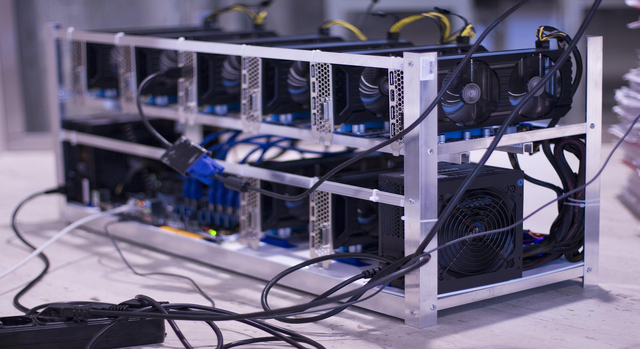
One of the most significant barriers to profitability in crypto mining is the cost of hardware and energy. Mining requires specialized equipment known as ASICs (Application-Specific Integrated Circuits) or high-performance GPUs (Graphics Processing Units). These devices can be expensive to purchase and maintain.
Additionally, the energy consumption of mining operations is substantial. Miners must consider the cost of electricity in their region and the energy efficiency of their equipment. High energy costs can quickly erode profits, making it crucial to optimize operations for efficiency.
To maximize profitability, miners should regularly assess their equipment efficiency and seek regions with lower energy costs. Some choose to relocate their mining operations to areas with cheaper or renewable energy sources.
Market Conditions and Crypto Value
Another critical factor influencing the profitability of crypto mining is the market value of the cryptocurrency being mined. The volatile nature of crypto markets means that coin values can fluctuate dramatically, impacting potential earnings.
When the price of a cryptocurrency rises, the rewards for mining can become more lucrative. However, during downturns, the same activities may yield significantly less profit. Miners must stay informed about market trends and be prepared to adapt their strategies accordingly.
Moreover, the difficulty level of mining a particular cryptocurrency can change over time. As more miners join the network, the difficulty increases, making it harder to earn rewards without upgrading equipment or enhancing efficiency.
Given these considerations, it's clear that mining profitability is not solely dependent on the present crypto values but also on the anticipation of future market movements.
Mini FAQ on Market Conditions
- Q: How does the crypto market volatility affect mining? A: Volatility can lead to significant changes in mining profitability. Price spikes can increase rewards, while downturns may reduce them.
- Q: Can miners predict market trends? A: While no prediction is foolproof, miners can use market analysis and historical data to make informed decisions.
- Q: Is it possible to hedge against market fluctuations? A: Yes, some miners diversify their mining portfolios or use financial instruments to mitigate risks.
Regulatory and Environmental Considerations
As interest in crypto mining grows, so does scrutiny from regulatory bodies and environmental advocates. These external factors can have a profound impact on the feasibility and profitability of mining operations.
Governments worldwide are taking a closer look at cryptocurrencies, enacting regulations that can affect mining activities. Some regions impose taxes, while others may ban mining altogether due to environmental concerns or regulatory compliance issues.
Miners need to stay updated on legal developments in their jurisdiction and ensure compliance with local laws. Failure to do so can result in penalties or forced shutdowns, significantly affecting profitability.
Furthermore, the environmental impact of mining is a growing concern, given its high energy consumption. The push for greener practices is encouraging miners to adopt sustainable methods, such as using renewable energy sources or improving energy efficiency.
Future Outlook for Crypto Mining
Looking ahead, the future of crypto mining holds both challenges and opportunities. As technology advances, so too does the potential for more efficient mining practices.
Innovations in hardware technology are promising increased efficiency and reduced energy consumption, which could enhance profitability. Additionally, the development of new consensus mechanisms, like proof-of-stake, may offer alternatives to traditional mining methods.
However, the competitive nature of the industry means that staying ahead requires continuous investment in technology and adaptability to market changes. Miners must remain vigilant and proactive in their strategies to sustain profitability in a rapidly evolving landscape.
Mini FAQ on Future Outlook
- Q: What technological advancements could impact mining? A: Innovations in ASIC and GPU technology, as well as new consensus mechanisms, could significantly enhance mining efficiency.
- Q: How might regulatory changes affect future mining operations? A: Changes in regulation can either pose challenges or create opportunities, depending on their nature and miners' adaptability.
- Q: Is mining expected to remain profitable long-term? A: While profitability will fluctuate, those who adapt to technological and market changes are more likely to succeed.
In conclusion, the question "Crypto mining: is it still profitable?" does not have a straightforward answer. The profitability of mining is contingent upon a multitude of factors, including technology, market conditions, regulatory landscapes, and environmental responsibilities. By staying informed and adaptable, miners can navigate these complexities and potentially reap the rewards of their efforts.
For those considering entering the mining arena, it's crucial to conduct thorough research, evaluate costs, and remain agile in their approach. With careful planning and strategic execution, crypto mining can still be a viable venture in the ever-evolving crypto landscape.