
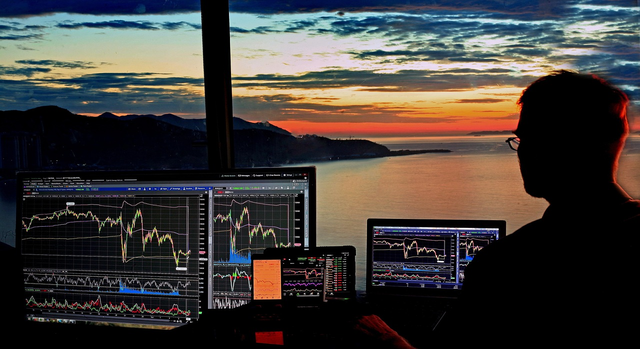
Understanding the complexities of crypto trading psychology is crucial for any trader aiming to succeed in the volatile world of cryptocurrency. The psychological aspects of trading are often overlooked, but they play a significant role in decision-making processes. This article aims to shed light on the intricate mindset required for effective crypto trading, helping you navigate the emotional rollercoasters that come with the territory. By exploring the different facets of trading psychology, you'll be better equipped to make informed, rational decisions, ultimately enhancing your trading performance.
The Importance of Psychology in Crypto Trading
In crypto trading, where prices can swing dramatically within minutes, maintaining a balanced psychological state is essential. Emotions such as fear, greed, and anxiety can cloud judgment, leading to impulsive decision-making. Understanding crypto trading psychology explained involves recognizing how these emotions influence your trading actions and learning to manage them effectively.
Fear often leads traders to sell prematurely, cutting their profits short. On the other hand, greed can push traders to hold onto assets longer than advisable, hoping for continued gains. Both emotions can be detrimental if not kept in check. Experienced traders know that discipline and a clear mind are their best allies.
Moreover, the fast-paced nature of the crypto market demands that traders make quick yet calculated decisions. This requires not only technical knowledge but also mental agility. By prioritizing psychological resilience, traders can enhance their ability to remain calm and focused, even amidst market chaos.
Common Psychological Traps in Crypto Trading
While every trader aspires to be rational and methodical, certain psychological traps are easy to fall into. Being aware of these pitfalls is the first step towards avoiding them.
Emotional Trading: A Major Pitfall
One of the most common traps is emotional trading. This occurs when traders make decisions based on emotions rather than logic or strategy. Emotional trading can result in significant financial losses and missed opportunities.
- Overtrading: Driven by the excitement of the market, some traders engage in excessive trading, which can lead to exhaustion and poor decision-making.
- Revenge Trading: After a loss, traders may try to "get even" by making rash trades to recover their losses quickly, often resulting in further losses.
- Panic Selling: Sharp declines in price can trigger panic selling, where traders sell off assets to prevent further losses, sometimes cutting into potential rebounds.
To combat emotional trading, traders should develop a solid trading plan and stick to it, regardless of emotional impulses. Setting clear entry and exit points and using stop-loss orders can also help mitigate the impact of emotional decisions.
Strategies to Enhance Crypto Trading Psychology
Improving your trading psychology is not an overnight process, but there are several strategies that can significantly enhance your mental approach to trading.
First and foremost, education is crucial. Understanding the market dynamics, technical analysis, and trading strategies provides a solid foundation that can reduce uncertainty and anxiety. The more knowledgeable you are, the less likely you are to be swayed by emotions.
Another effective strategy is to maintain a trading journal. Documenting your trades, the reasoning behind them, and the emotions felt during the process can offer valuable insights. Over time, this practice helps identify patterns in your behavior and allows for adjustments in strategy.
Additionally, practicing mindfulness and stress-reduction techniques can greatly benefit traders. Techniques such as meditation, deep breathing exercises, and regular physical activity can help maintain a calm and focused mind, essential for effective trading.
Building Resilience in a Volatile Market
Resilience is a key trait for any successful crypto trader. The crypto market is notoriously volatile, and it’s crucial to build the mental fortitude to withstand its ups and downs.
FAQ: Resilience in Crypto Trading
To further understand how to build resilience, consider these frequently asked questions:
- How can I avoid panic during market volatility? Develop a robust trading plan that includes predefined entry and exit points. Stick to this plan to avoid making impulsive decisions based on market fluctuations.
- What role does patience play in crypto trading? Patience is vital in waiting for the right trading opportunities and not rushing into trades without proper analysis. It helps in maintaining discipline and focus.
- Can stress management techniques improve trading outcomes? Yes, stress management techniques such as meditation and regular exercise can enhance mental clarity and reduce emotional reactions to market changes.
By addressing these questions, traders can develop strategies to build resilience and maintain a steady course in their trading activities.
Practical Tips for Maintaining a Healthy Trading Mindset
Maintaining a healthy trading mindset is essential for long-term success in the crypto market. Here are some practical tips to help you stay on track:
- Set Realistic Goals: Establish clear, achievable goals for your trading activities. This keeps you focused and motivated without setting unrealistic expectations.
- Limit Exposure: Only trade with funds you can afford to lose. This reduces stress and allows for more rational decision-making.
- Take Breaks: Regular breaks can prevent burnout and maintain mental clarity. Trading for long periods without rest can lead to fatigue and poor decisions.
- Seek Support: Engage with trading communities or seek mentorship. Sharing experiences and learning from others can provide valuable insights and emotional support.
These practical tips can help ensure that your trading mindset remains healthy and productive, allowing you to navigate the crypto market more effectively.
FAQ: Healthy Trading Mindset
Here are some common questions regarding maintaining a healthy trading mindset:
- What should I do if I experience a significant loss? Reflect on the trade to understand what went wrong, and use it as a learning opportunity. Avoid revenge trading, and consider stepping back to reassess your strategy.
- How can I stay updated without feeling overwhelmed? Focus on a few reliable sources of information. Set specific times to review market news to avoid constant information overload.
- Is it beneficial to have a trading mentor? Yes, a mentor can provide guidance, share valuable experiences, and offer support, which can enhance your learning and trading performance.
Addressing these FAQs can help traders maintain a balanced and healthy mindset, crucial for sustained success in the crypto market.