
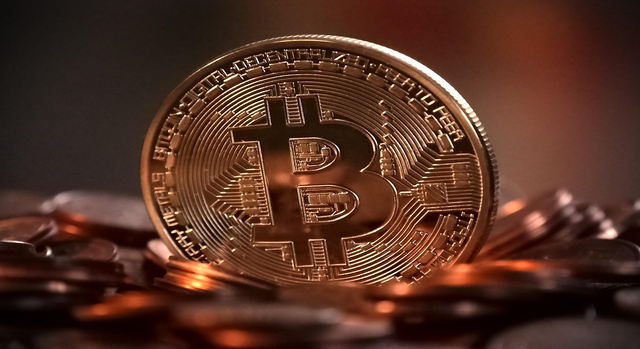
In recent years, the financial landscape has undergone a revolutionary transformation. At the heart of this change is Decentralized Finance, often abbreviated as DeFi. This emerging ecosystem leverages blockchain technology to recreate and enhance traditional financial systems, offering an open alternative that operates without intermediaries. As DeFi continues to grow, it has sparked curiosity and excitement across various sectors. In this blog post, we'll delve into "DeFi Explained: The Future of Finance" and explore its potential to reshape how we manage money.
Understanding DeFi: The Basics
Decentralized Finance, or DeFi, represents a paradigm shift in the world of finance by providing financial services on a decentralized network. Unlike traditional systems that rely on centralized entities like banks and brokers, DeFi operates on blockchain technology, which ensures transparency, security, and accessibility.
The core components of DeFi include smart contracts, decentralized applications (DApps), and blockchain networks. Smart contracts are self-executing contracts with the terms of the agreement directly written into code. These contracts automatically execute and enforce transactions, reducing the need for human intervention and minimizing errors.
Blockchain networks, such as Ethereum, provide the foundation upon which DeFi applications are built. These networks store data across a distributed ledger, making it nearly impossible to alter or tamper with transaction records. As a result, DeFi offers a level of trust that traditional systems often struggle to achieve.
One of the primary attractions of DeFi is its accessibility. Anyone with an internet connection can participate in DeFi markets, regardless of their geographic location or economic status. This democratization of finance holds the potential to bridge the gap between the unbanked population and financial services.
The Benefits of DeFi
When exploring "DeFi Explained: The Future of Finance," it's crucial to understand the myriad benefits it offers. DeFi has the potential to revolutionize financial systems by providing more inclusive, efficient, and secure solutions.
Increased Accessibility: DeFi platforms are open to anyone, removing barriers like credit checks and geographical restrictions. This inclusivity empowers individuals worldwide to access financial services previously out of reach.
Transparency and Trust: DeFi transactions are recorded on blockchain networks, ensuring a transparent and tamper-proof record of all activities. This transparency builds trust among users, as they can verify transactions without relying on third parties.
Cost Efficiency: By eliminating intermediaries, DeFi reduces transaction costs and processing times. This efficiency attracts users seeking cheaper alternatives to traditional financial services.
Innovation and Flexibility: DeFi platforms are highly customizable, allowing developers to create innovative financial products tailored to specific needs. This flexibility has led to the rapid growth of DeFi applications, ranging from lending and borrowing to insurance and asset management.
Common DeFi Applications
The versatility of DeFi has led to the creation of numerous applications, each addressing different aspects of finance. Let's explore some of the most popular DeFi use cases.
- Lending and Borrowing: DeFi platforms enable users to lend their crypto assets to others in exchange for interest. Conversely, borrowers can access loans by providing collateral, often without credit checks.
- Decentralized Exchanges (DEXs): DEXs allow users to trade cryptocurrencies directly with one another, bypassing centralized exchanges and reducing fees.
- Stablecoins: These are cryptocurrencies pegged to stable assets like the US dollar, providing a reliable store of value in the volatile crypto market.
- Yield Farming: This involves providing liquidity to DeFi protocols in exchange for rewards, often in the form of additional tokens.
- Insurance: DeFi insurance platforms offer coverage against risks such as smart contract failures and price volatility.
Challenges and Risks in DeFi
While DeFi offers numerous benefits, it's not without challenges and risks. Understanding these potential pitfalls is crucial for anyone looking to engage with the DeFi ecosystem.
Smart Contract Vulnerabilities: As DeFi relies heavily on smart contracts, any flaws in their code can be exploited by malicious actors, resulting in significant financial losses.
Regulatory Uncertainty: The regulatory landscape for DeFi is still evolving, and changes in regulations could impact the operation of DeFi platforms and their users.
Market Volatility: The crypto market is known for its volatility. This inherent unpredictability can pose risks for DeFi users seeking stability in their investments.
Liquidity Concerns: Some DeFi platforms may face liquidity challenges, especially during market downturns, affecting users' ability to execute transactions at desired prices.
Practical Steps to Get Started with DeFi
For those intrigued by "DeFi Explained: The Future of Finance," taking the first step can be an exciting journey. Here are some practical steps to help you get started with DeFi:
- Educate Yourself: Begin by learning the basics of blockchain technology and DeFi. Understanding the underlying principles will help you make informed decisions.
- Choose a Wallet: Select a secure digital wallet to store your crypto assets. Wallets like MetaMask and Trust Wallet are popular choices for DeFi users.
- Acquire Crypto: Purchase cryptocurrencies such as Ethereum (ETH) or stablecoins that are commonly used in DeFi transactions.
- Explore Platforms: Research different DeFi platforms and applications to find ones that align with your financial goals and risk tolerance.
- Start Small: Begin with a small investment to familiarize yourself with the DeFi ecosystem before committing larger amounts.
- Stay Informed: Keep up with the latest news, updates, and trends in the DeFi space to ensure you remain aware of potential opportunities and risks.
Key Considerations for DeFi Users
As you venture into the world of DeFi, it's essential to keep several key considerations in mind to optimize your experience and manage risks effectively.
Security Measures: Prioritize security by using hardware wallets for long-term storage and enabling two-factor authentication on your accounts. Be cautious of phishing attempts and suspicious links.
Diversification: Spread your investments across different DeFi platforms and assets to mitigate risks. Diversification can help protect your portfolio from market fluctuations.
Gas Fees: Be aware of gas fees associated with transactions on blockchain networks like Ethereum. These fees can vary significantly based on network congestion.
Frequently Asked Questions About DeFi
As we continue our exploration of "DeFi Explained: The Future of Finance," let's address some common questions that newcomers often have.
1. What is the primary difference between DeFi and traditional finance?
DeFi operates on decentralized blockchain networks, eliminating the need for intermediaries, while traditional finance relies on centralized entities like banks and brokers.
2. Is DeFi safe to use?
While DeFi offers transparency and security through blockchain technology, it is still subject to risks such as smart contract vulnerabilities and market volatility. Conduct thorough research and take precautions to protect your assets.
3. How can I earn interest on my crypto assets in DeFi?
You can earn interest by lending your crypto assets on DeFi platforms. These platforms connect lenders with borrowers, allowing you to earn interest on your holdings.
Innovations and Future Prospects in DeFi
The DeFi landscape is continuously evolving, with new innovations and projects emerging regularly. These developments hold the potential to reshape the financial industry and open up new opportunities for users and investors alike.
One of the most promising areas of innovation is the integration of DeFi with traditional finance systems. As these two worlds converge, we may see the creation of hybrid financial products that combine the best of both systems.
Moreover, the rise of layer-2 solutions aims to address scalability issues on blockchain networks, reducing congestion and lowering transaction costs. This could significantly enhance the user experience and drive further adoption of DeFi.
Finally, the increasing focus on regulatory compliance is paving the way for more secure and sustainable DeFi ecosystems. As regulators work towards establishing clearer guidelines, DeFi platforms are likely to become more robust and resilient.
DeFi and the Path Forward
In the ever-evolving landscape of finance, DeFi stands out as a beacon of change and innovation. With its promise of financial inclusivity, transparency, and efficiency, DeFi has the potential to redefine how we interact with money.
As you continue to explore "DeFi Explained: The Future of Finance," it's essential to stay informed and adaptable. The DeFi space is dynamic, with new developments and opportunities arising regularly. By keeping a finger on the pulse of this exciting ecosystem, you can position yourself to benefit from its transformative power.
Final Thoughts and FAQs
To conclude our exploration, let's address a few more frequently asked questions that can help deepen your understanding of DeFi.
1. Can DeFi replace traditional banks?
While DeFi offers alternatives to traditional banking services, it is unlikely to completely replace banks. Instead, it may coexist with traditional finance, offering complementary solutions.
2. What are some common mistakes to avoid in DeFi?
Common mistakes include investing without proper research, ignoring security measures, and failing to diversify your portfolio. Always ensure you understand the risks before involvement.
3. How can I track my DeFi investments?
Utilize portfolio tracking tools and platforms that aggregate data from multiple DeFi protocols to monitor your investments and performance effectively.
As you navigate the complexities of DeFi, remember that continuous learning and vigilance are key to making the most of this exciting financial frontier.